Tag Archives: sustainability

New Report Details Growth of Sustainable Hospital Food Service Programs

Health care food service programs are rapidly becoming more sustainable, following a conscious decision to provide fresher, more sustainable foods to benefit patients and the planet.

A detailed accounting of these advances can be found in the 2011 Menu of Change report, published by the Health Care Without Harm (HCWH) Healthy Food in Health Care (HFHC) program. This report is the second in a series of reports tracking progress in this area and contains the results of a survey of U.S. hospitals and long-term care facilities that work with HCWH on implementation of sustainable food service practices.

“Many health care facilities are taking extraordinary and creative measures to make their food services more sustainable while providing fresh, nutritious food choices to patients, staff and visitors,” said Emma Sirois, MS, Oregon HCWH Program Director and co-author of the new report. “The 2011 Menu of Change shows that many hospital food service programs are quite far along on their sustainability journey and those that are not as far along are advancing rapidly.”

The survey was conducted in June 2011 and was designed to gather data on advances made in 2010. Eighty-nine facilities completed the survey including many that have signed the HCWH Healthy Food in Health Care Pledge, a commitment to work in a stepwise fashion to source more local and sustainably produced food among other activities. Facilities ranged in size from 11 to 1200 beds with an average size of 300. They served an average of 731 patient meals and 1650 cafeteria meals per day in 2010 and spent approximately $291 million total on food and beverages.

2011 Menu of Change Survey Highlights

Nutrition
Most respondents have taken one or more of the following steps to increase their offerings of fruits and vegetables and nutritionally dense and minimally processed, unrefined foods and to reduce unhealthy (trans and saturated) fats and sweetened foods.

Approximately 97 percent adapted menus to include non-starch vegetable options for lunch and dinner and provide a minimum of one protein-balanced vegetarian menu option during each meal:

  • 87.5 percent have completely eliminated trans-fats (partially hydrogenated/fully hydrogenated) and created a heart-healthy oils purchasing policy
  • 80.5 percent create soup from scratch
  • 74.7 percent serve fresh local produce when available

Sustainable food procurement
Many facilities are choosing to purchase and serve more locally sourced and sustainably produced food and beverages–

  • 94.1 percent purchased and served local food or beverages
  • 80 percent purchased sustainable dairy products
  • 45 percent purchased sustainable beef
  • 36 percent purchased sustainable chicken

Build direct relationships with local farms

  • 81.8 percent of respondents host a farmers’ market, farm stand or community-supported agriculture (CSA program on-site)
  • 60 percent purchased directly from a farm, ranch or farm cooperative

Waste Reduction

  • 66.2 percent of respondents used bio-based non-reusable food service ware and takeout containers
  • 50 percent use a room service model for patient food delivery
  • 39.5 percent had a program in place to compost organic materials (food waste and compostable paper and plastic food ware items)
  • 37.7 percent had a usable food donation program in place

“This Menu of Change report is an excellent introduction for anyone seeking to begin a sustainable foods program at their hospital,” said Marie Kulick, MSEL, HFHC Sustainable Procurement advisor and report co-author. “In addition to the survey data which can be used to set goals, the report includes lively, informative anecdotes from peers, cost cutting strategies, profiles of leading institutions and more.”

The 2011 Menu of Change report also summarizes major HFHC activities taking place in nine states; and describes the HFHC initiatives, including Balanced Menus, Non-Therapeutic Use of Antibiotics Prevention, the HFHC Pledge, the Green Guide for Health Care Food Service Toolkit, and recent efforts to reduce or eliminate Sugar-Sweetened Beverages, among other initiatives promoted by the HCWH. It also contains a listing of contacts for hospital and food service directors or activists to reach out to HFHC program staff for assistance.

“Hospitals are increasingly being seen as anchor institutions that are needed to support healthier communities and a healthier local economy,” stated Gary Cohen, President of HCWH. “If we are to solve the epidemic and escalating costs of obesity in American society, hospitals need to be critical partners in redesigning sustainable food systems and modeling the kind of food choices that the rest of us need to adopt. The Healthy Food Program is creating these models and pointing the way toward this systemic transformation.”

The 2011 Menu of Change report was co-written by Sirois, Kulick and Alyssa Nathanson, M.D., RD, HFHC Vermont coordinator. Results of the survey were used to determine the HCWH HFHC awards given at the organization’s 2011 FoodMed. And award winners are profiled in the report.

The HFHC Program is a national initiative of HCWH, developed in conjunction with its member organizations, which mobilizes advocates to work with hospitals across the country to help improve the sustainability of their food services. For more information about the HCWH Healthy Food in Health Care Program, visit www.healthyfoodinhealthcare.org .

Health Care Without Harm is an international coalition of more than 508 organizations in 53 countries, working to transform the health care industry worldwide, without compromising patient safety or care, so that it is ecologically sustainable and no longer a source of harm to public health and the environment. For more information about HCWH, visit www.noharm.org .

SOURCE Health Care Without Harm
Waiting for the International Green Awards – Green Sheikh Exclusive

Launched in 2006 to critical acclaim, the INTERNATIONAL GREEN AWARDS™ were set up to recognise strategies that use creativity in an engaging and effective manner, leading to more sustainable outcomes. 

The event became more and more important and widely recognized, so that in 2010 it went completely global and this year it has expanded again and reorganized its categories by looking to support sustainable achievement right across Business, Government & Citizen initiatives that influence change to encompass 360° sustainability projects as well as encompassing it’s heritage to identify best practice with sustainability communications.

As we are demonstrating with this blog, sustainability has become more and more important for Business, and the International Green Awards will showcase the excellence in this field, awarding the Best Green International Business, the Best Green Entrepreneur, the Best Green Product Innovation.

The upcoming event will also see the presentation of the first ‘Green Celebrity Award’ recognizing the efforts of one global media figure to promote sustainability through their public profile.

The celebrity that will receive this award will become a reference for all those who want to actively live and act green. It would be interesting to know how the awarded nominee would like to see people inspired by his or her behavior: different consumer habits,  a come back to old traditional farming methods, recycling and upcycling as part of the daily consumer activities?

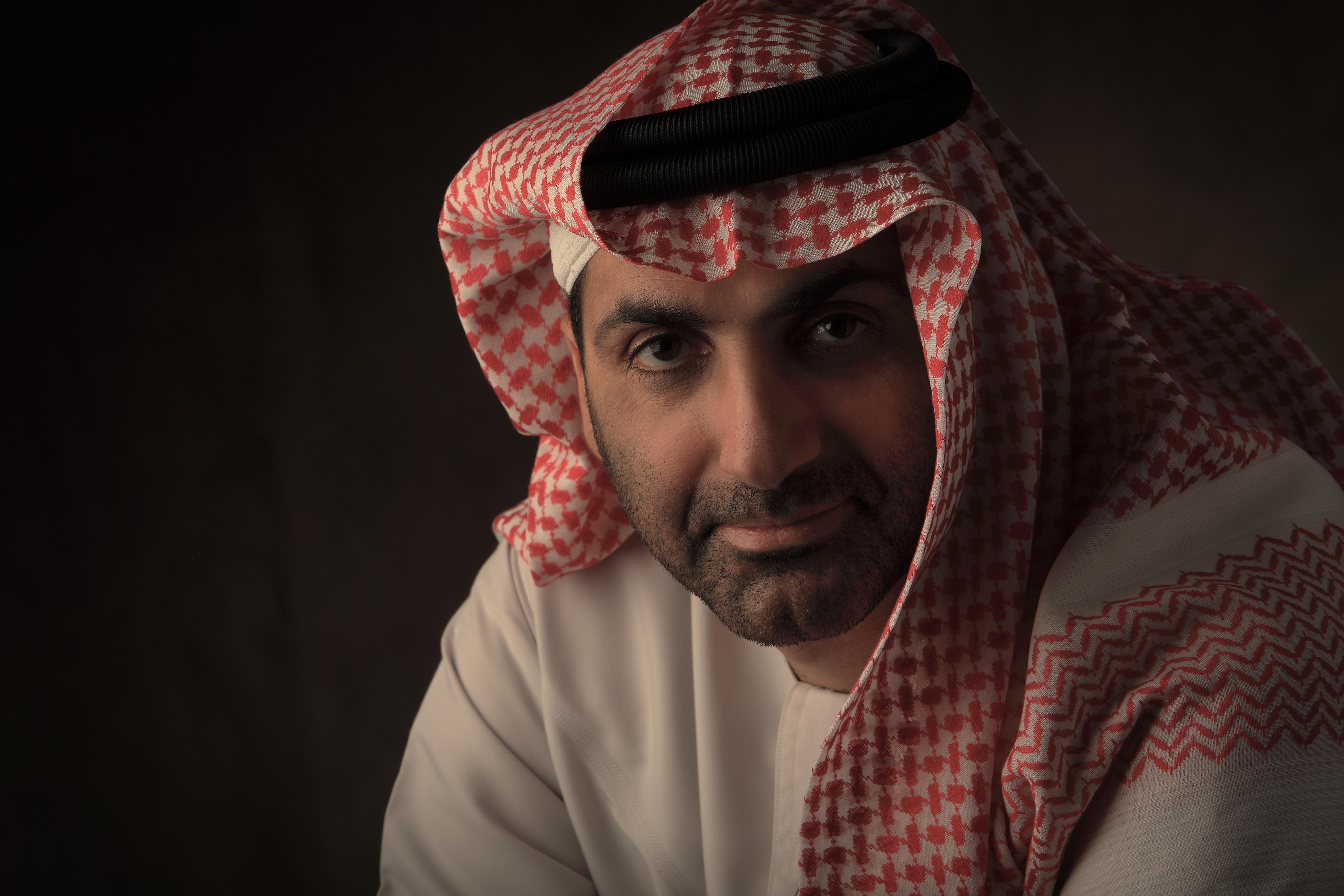
We asked this question to our ECOFFEE ambassador, the Green Sheikh, one of the Green  Celebrity Award nominees-and we would like to thank him publicly for his always being prompt to support our project.

“ Celebrities,  famous people and stars are citizen of the World, a world to love, to share and to fight for, no matter who you are or where you are from! Living as “down-to-earth” human beings is the truly and unique way to have a positive impact on people. We are all going set to go back to earth and to become part of it, therefore we should all be respectful to the real wealth and to the blessings from God.

Climate and environmental challenges are very important issues, and their importance should be especially addressed to our younger generations, raising their attention and bringing them into action thanks to more “down-to-earth” role models, whose footsteps can be easily followed.

We need to sustain and to inspire youths, so that they embrace sustainability in their present life style, and responsibility in their future jobs.  

Expeditions to the Antarctica or to the Amazon Forest or to the Grand Sahara or to any other harsh places in the world that had an environmental degradation which can affect us on the shorter or longer terms,  confirmed us the importance of being beyond just green. To witness the damages that had affected the natural resources such as habitats or wildlife areas means to learn, to explore and to appreciate more.

In my humble opinion,  celebrities’ sustainable leadership can influence the mega circle of world communities leaving a footprint – our “legacy” –  encouraging our young leaders/heroes/champions of tomorrow to transform the knowledge and practice they learn today into their future across many fields, thus continuing to pave the road to sustainability and contributing to a better peaceful and living world.”

You might find a little bit of ECOFFEE’s mission in what the Green Sheikh just stated above. That is that even small daily gestures can help spreading the importance of sustainability from the smaller community to a worldwide audience, no matter whether you are a celebrity or a young citizen.

The green economy’s top companies key players at ECOMONDO

The ´Eco-industrial Revolution´ has a 10 billion euro turnover and is the driving force for economic reprise. At Rimini Fiera the sector´s most advanced products on show

The green economy is one of the sturdiest footholds for economic reprise. And ECOMONDO is the ideal showcase for this sector´s most dynamic enterprises and public administrations.
The ´Eco-industrial Revolution´ is therefore in the spotlight from 9th to 12th November, at Rimini Fiera, the traditional international showcase for the fast-moving movement. In fact, it must be remembered that, in Italy alone, estimates on the overall turnover of the green economy are around 10 billion euros. There are positive forecasts of the impact on the employment market, to the point that at present it is estimated that there are 380,000 ´green workers´.

ECOMONDO 2011 will also host the chain of biodegradable and compostable bioplastics with CIC certification, which currently represent one of the best opportunities for re-launching the Italian chemical industry, based on the environmental sustainability of processes and products. Novamont (one of ECOFFEE’ supporters) and its partners will present the new opportunities offered by the bioplastics chain and, thanks to the contribution of Slow Food, it will be possible to taste excellent local specialities based on a strategy that privileges biodiversity and responsible innovation.

It must also be remembered that alongside ECOMONDO there will be the 5th KEY ENERGY international expo on energy and sustainable Mobility and the fourth COOPERAMBIENTE exhibition of the cooperative supply of energy and environment services by LegaCoop.

The events have the patronage of the Presidency of the Council of Ministers – Department for European Policies and the Ministry for the Environment and Land & ea Protection.

Our four-day agenda has already been planned with many meetings with ECOFFEE prospects but please feel free to contact Norman Cescut via email norman|at|ecoffee.it to eventually schedule a last-minute meeting during this important event.

Branded Sustainability Measurement System Save Hilton $74 Million

Global hospitality company Hilton Worldwide says it saved more than $74 million in 2010 across its portfolio of 10 hotel brands as a result of its sustainability measurement program, called LightStay.

Hilton Worldwide claims to be the first major multi-brand hospitality company to make sustainability measurement a brand standard, and the company reported the following results:

  • 6.6 percent reduction of energy use
  • 19 percent reduction of waste output
  • 3.8 percent reduction of water use
  • 7.8 percent reduction of carbon output

LightStay measures multiple utility and operational metrics such as energy, water, carbon, housekeeping, paper product usage, waste, chemical storage, air quality and transportation. In addition, LightStay features a “meeting impact calculator” element that calculates the sustainability impact of any meeting or conference held at a property.

Hilton recently added new features to LightStay that allow hotels to track projects, share best practices and communicate with one another through a social network dashboard. Thus far, LightStay has more than 1,200 projects in the system, which is expected to double by next year, as all of Hilton’s more than 3,750 properties are required to begin using LightStay by this December.

“LightStay has provided us with a platform to measure hotel performance and economic improvement, proving to be invaluable given today’s increased operational demands and resource constraints,” says Christopher J. Nassetta, president and CEO of Hilton Worldwide.

By 2014, Hilton Worldwide is committed to reduce energy consumption, CO2 emissions and waste output by 20 percent, as well as reduce water consumption by 10 percent from direct operations within the company’s owned hotels and corporate properties.

Over the next three years, Hilton says it will continue to invest in their owned assets to improve building performance. Projects will include the installation of energy-efficient chillers, boilers, motors, building automation systems, water reclamation systems, high-efficient windows and white roofs. The Hilton New York, for example, will be installing an onsite cogeneration system, which will offset 54 percent of its electrical needs and 33 percent of its thermal needs.

Hilton recently earned ISO 14001 certification for Environmental Management Systems, achieving one of the largest ever volume certifications of commercial buildings.

via Branded Sustainability Measurement System Save Hilton $74 Million | Sustainable Life Media.

Will Sustainability be mainstream by 2020? New Report says yes.

Household brands and retailers will play a key role in supporting sustainable lifestyles, helping them become mainstream by 2020, according to a new study.

Sainsbury’s and Unilever launched the Consumer Futures 2020 research in partnership with Forum for the Future, in order to gain insight into how sustainable products and services will impact on global trends and consumer behaviour over the next decade.

As part of the 18-month study, designed as a practical tool to help retailers, brands and manufacturers plan for the future, four fictional scenarios that consider how sustainable consumption could become mainstream were explored, with the aim of ascertaining whether social and environmental pressures drive sustainable goods into the mainstream, or whether consumers actively demand them.

It found that global challenges such as climate change, scarcity of key resources, rapid population growth were likely to affect consumer attitudes and the consumer goods industry. As a result, sustainable practices will become more mainstream as key resources become more highly valued, while and recycling and re-use would increase, the study concluded.

A weak global economy is unlikely to hamper the progression of sustainability, according to Forum for the Future’s chief executive Dr Sally Uren, who said that “smart brands and businesses will make money today by accelerating the transition to a sustainable future”.

Meanwhile, Dr Uren added that the industry must make it easier for consumers to go green by “offering products and services which are not just better for the environment, but healthier, cheaper and longer-lasting.”

However, the study warned that consumer brands will need to innovate to develop sustainable products, services and business models to overcome financial challenges, while also working with consumers to make them a success.

Sainsbury’s and Unilever said they plan to use the results as a platform for collaboration and innovation to develop jointly profitable and sustainable initiatives to help meet commitments in Unilever’s Sustainable Living Plan and Sainsbury’s five corporate responsibility values.

Sainsbury’s chief executive, Justin King, said: “Sustainability will continue to rise higher up the agenda over the coming years, so it is key that brands work to ensure they can respond to consumer demand. Being a sustainable company is not about box ticking, it’s about future-proofing your business and building trust and brand loyalty that will last for years to come.”

The Consumer Futures 2020 toolkit and accompanying resources are available to download free here.

via Will Sustainability be mainstream by 2020? New Report says yes. | Caelus Green Room.

Carlsberg Italia introducing a sustainable innovation: Modular 20

Last Sept.28th, Carlsberg Italia has unveiled in Milan- Italy, an innovative technology that will revolutionize the distribution of beer in the Ho.Re.Ca business.  It is called Modular 20 and allows you to tap your beer without using the traditional carbon dioxide tank, with no loss in taste and froth compactness. In addition, the beer is no longer contained in traditional steel drums, but in fully recyclable PET containers – designed and manufactured by Carlsberg – less bulky and lighter to be transported. The beer keeps the its natural level of carbon dioxide, it is easier to be tapped  and, once the container has been opened, its excellent quality lasts up to 31 days.

This new system was presented at the Carlsberg Drink Different area, the first temporary shop of the Danish brand – now closed. The conference, chaired by the Italian journalist Alessandro Cecchi Paone, was attended by the CEO of Carlsberg Italy, Alberto Frausin, by Fabio Iraldo, Research Director at the Institute of Economics and Politics of Energy and
Environment (Iefe) at the Bocconi University, Cosimo Finzi, a researcher at AstraRicerche,  and Luca Giaccone, editor of the Guida alle Birre d’Italia (Italy’s Beer Guide) of Slow Food.

According to studies conducted by the Bocconi University, PET containers, compared to steel ones, reduce energy use by 21%, gas emissions by 28% and even the hazardous waste generated is 47% less than that one created in the manufacturing process of steel containers. If the quantity of total Carlsberg beer distributed in 2010 was conveyed in Modular 20 containers, the energy saved would be equivalent to that required for illuminate a stadium for 2,696 football matches. The benefits are significant, to which we must add that PET containers are recyclable, speed up the service, improve logistics and the handling of shipments.

With Modular 20,  Carlsberg Italy is the first beer company worldwide to have achieved the Environmental Product Declaration, ranked now first in the sector thanks to this  sustainable innovation. (Source: Greennews.info)

Toys R Us Includes Environmental Features in 44 Stores

As part of its continuing strategy to develop more combined Toys R Us and Babies R Us stores, Toys R Us Inc. said it is incorporating environmental features in 44 new and remodeled locations.

By the end of the year the company will have have 21 new stores, including 11 R Superstores and 10 Side-by-Side locations as part of the initiative to bring Toys R Us and Babies R Us together under one roof in an integrated store format. As part of it portfolio upgrade, Toys R Us is also remodeling 23 existing locations to the Side-by-Side format.

In these locations, the company said it has implemented a number of sustainable initiatives that conserve energy, minimize waste, reduce its stores’ overall impact on the environment and diminish the company’s carbon footprint. They include:

  • A state-of-the-art Energy Management System (EMS) that monitors environmental conditions and adjusts temperature, lighting and CO2 levels throughout the store to utilize natural light and reduce energy consumption.
  • A custom daylight harvesting system, which includes a number of design components such as skylights, dimmable fixtures and lighting sensors that reduce up to 50 percent of electric lighting energy used during the day.
  • Energy efficient Light Emitting Diode (LED) fixtures in outdoor signage instead of florescent signage, which increase energy savings and reduce toxic materials and maintenance costs.
  • Low-flow toilets and urinals, and automatic faucets and flush valves, which conserve water.
  • High efficiency automatic hand dryers that use 80 percent less energy than standard hand dryers while eliminating the need for paper towel products.
  • A cardboard baler that facilitates recycling and reduces the impact on landfills.
  •  Low Volatile Organic Compound (VOC) paint and floor adhesive are used during construction because they produce little odor during application and no lingering odor once cured.
  • A vestibule entryway system that reduces the amount of outside contaminants tracked into the store, while helping to improve indoor air quality.
  • White reflective roofs that significantly reduce the amount of heat absorbed, reducing the building’s cooling needs.

Wayne, N.J.-based Toys R Us embarked an integrated store strategy in 2006, and since then has converted more than 100 traditional stores in the United States to the Side-by-Side format. In 2007, the company opened the first of its new 60,000-square-foot R Superstores, which feature full-size Toys R Us and Babies R Us stores under one roof. (Source: GreenRetailDecisions.com)

ECOFFEE and DESITA on air!

For those of you who do not follow me on Twitter @norman_cescut and have not yet been notified about this great news, I am very glad to inform you that last September 4th I was interviewed by Vincenzo Argante of Ferry Boat, a successful radio program broadcasted on Italy’s Radio24.

Ferry Boat deals with issues such as responsibility and sustainability applied to many fields, from education to automotive to fashion and..Retail. During the interview I was asked to introduce ECOFFEE and to explain why the ECOFFEE approach is such an innovative one in the Retail business.

The whole interview is available here, unfortunately Italian only!

New Sustainability Book Highlights Best Practices in Hotel Development and Operations

Sustainability is an important topic that affects every stage of hotel development and operation. Hotel Sustainable Development: Principles and Best Practices, published by the American Hotel & Lodging Educational Institute (AHLEI), provides hospitality professionals with a wealth of information about key factors to be considered when exploring sustainability.

Editors A.J. Singh, international lodging, finance and real estate associate professor in The School of Hospitality Business at Michigan State University, and Hervé Houdré, general manager of the InterContinental New York Barclay, and leading sustainable development experts identify emerging trends and discuss how sustainability affects regulatory, policy, development, architectural, financial, and operational issues. Each chapter presents important elements in the implementation of sustainable development to provide valuable insights to hotel investors, developers, owners, and lodging operators.

The book is divided into four sections:

  • Historical Context: Local and Global Perspective
  • Development and Investment Perspective
  • Hotel Corporate and Property Perspective
  • Operating Perspective

The overarching theme of the book follows John Elkington’s approach of the “Triple Bottom-line.” This is the most commonly accepted perspective of sustainable development by most businesses, as it comprehensively looks at sustainable development from three perspectives: People, Planet and Profit. The common theme across all the chapters is “value creation.” While value creation addresses all stakeholders in a hotel development or operation, the primary question that each chapter addresses is whether sustainable development metrics indicate financial incentives for investors, developers, owners, and lodging operators.

A number of hospitality organizations supported the publication of this book, including the International Society of Hospitality Consultants (ISHC), Hospitality Sales and Marketing Association International (HSMAI), Green Meetings Industry Council (GMIC), National Association of Hotel and Lodging Engineers (NAHLE), the U.S. Green Building Council (USGBC), and the Hotel Asset Managers Association (HAMA). (Source: Hotelnewsresource.com)

Stockholm hosting the upcoming FCSI Europe–Africa–Middle East Conference

Next September, from 16th to 18th, 2011 Stockholm, the very first Green Capital  will host the FCSI Europe–Africa–Middle East Conference.

Stockholm has been chosen by FCSI for its long-term target green policy, set to make the Swedish capital a fossil fuel free city by 2050.
The Conference speakers are highly recommended and the opening keynote speaker has been awarded speaker of the year 2009.
The program will be of course focused on the relation between sustainability and the Food industry, dealing with important subjects such as “Water and Waste. About water footprints and solutions to global water crisis. Solutions to the lack of sanitation”. Attendees will also have the chance to participate to interesting workshops such as “Food for thought on climate change: Saving our planet one carbon bite at a time!” or “ Why should a SPA be “green”.

Unfortunately, because of previously planned meetings, I will not be able to attend the Conference but I am sure it will be a great successful event and I wish to our FCSI Italia President Mr. Luciano Cattaneo a nice, enjoyable and profitable journey- feedbacks and updates about the Congress are welcomed!.

I also would like to remind all the FCSI members visiting the Milan HOST exhibition (October 21st – 25th ) that FCSI Italia will welcome all of you at Stand A03-C02 – Hall6.