Category Archives: social responsibility

Sustainability Certifications and Reporting Tools: an overview

What follows is a great article published a while ago by CarbonPig that we suggest to all of you who are searching for a detailed list of the most important sustainability Certification Programs and sustainability Reporting Tools.
Obviously these are not the only ones available worldwide, but as correctly stated by Carbon Pig “(the listed certifications programs ) have had considerable traction in a variety of sectors including, green buildings, general sustainability reporting, etc“.

The Global Reporting Initiative

The Global Reporting Initiative was created through the work of thousands of individual stakeholders internationally who seek to establish the number one sustainability certification program in the world. Their work has culminated in what is called the GRI Reporting Framework, which is currently released as Version 3.0, and is accordingly referred to as the G3 by those familiar with the framework used in sustainability reporting protocol.

The G3 Sustainability Reporting Framework focuses on key aspects of institutional sustainability and can be used by all types of organizations including private sector companies, governmental bodies, non-governmental organizations (NGOs), and non-profits. The reporting framework is organized around three main areas and includes 79 individual sustainability performance indicators. The main topic areas covered by the sustainability certification program are economic, social, and environmental.

In addition to the framework that all organizations must used, there are a number of sector-specific supplements including:

  • Electric Utilities
  • Financial Services
  • Food Processing
  • Mining and Metals
  • NGO
  • Airport Operators
  • Construction and Real Estate
  • Event Organizers
  • Media
  • Oil and Gas
  • Automotive
  • Logistics and Transportation
  • Public Agency
  • Telecommunications
  • Apparel and Footwear

Overall, the GRI is a very robust and well run sustainability reporting protocol for organizations wishing to disclose their sustainability performance. In fact, more than 1,700 organizations reported on their sustainability using the G3 in 2010. You can download a comprehensive list here  for all years. The reporting organizations include some big names like 3M, Clorox, Hitachi, Nestle, Siemens, and Xerox and there are sustainability reports available for them all.

The Greenhouse Gas Protocol Initiative

The World Resources Institute and the World Business Council on Sustainable Development  jointly released the Greenhouse Gas Protocols  in 1998, that have since become the standard protocol for greenhouse gas accounting internationally. This sustainability reporting protocol used to measure greenhouse gas emissions is often a prerequisite for other sustainability certification programs.

When large institutions, governments, and companies need to measure their “carbon footprint”, they turn to this widely used two-phase methodology. Most organizations measure their scope I and scope II greenhouse gas emissions using this protocol and then, in the second phase, have their “greenhouse gas inventory” verified by a third party organization who provides oversight that the protocols were followed correctly and that the overall estimate is within 5% of the true value.

Product Life Cyle Accounting and Reporting Standard for Sustainable Product Certification

This “standard” is a recent addition to the Greenhouse Gas Protocol Initiative and allows companies to measure the carbon footprint of individual products, thereby serving as a sustainable product certification. It is currently in a draft phase. Remember that you learned about this sustainability reporting protocol on CarbonPig because it finally creates a way for organizations to account for their scope III emissions.
 

The Leadership in Energy and Environmental Design (LEED) Green Building Rating System

The LEED green building certification system is focused on third party sustainability certification of buildings based on the LEED protocols contained in various manuals. The sustainability certification program is a consensus-based program drawing on the work of many stakeholders, industry leaders, and a dedicated staff. The system is currently in version III and covers the following general development types:

  • New Construction
  • Existing Buildings: Operations & Maintenance
  • Commercial Interiors
  • Core & Shell
  • Schools
  • Retail
  • Healthcare
  • Homes
  • Neighborhood Development

For each of these categories there is a considerable amount of documentation that must be provided in order to meet the LEED Sustainability Certification Program requirements. Project managers typically turn to LEED consultants to help give input during a project and help meet the sustainability certification program requirments for the given new or existing building, hospital, school, and more.

This sustainability certification program is by far one of the most advanced and comprehensive, although, many Europeans, who consider their government run sustainability performance targets to be more stringent and yield higher performing buildings, would disagree.

Forest Stewardship Council Sustainable Forest Certification
You may recognize the Forestry Stewardship Council (FSC) label from everyday objects like reams of office paper and furniture boxes. The FSC sustainable forest certification indicates that the forests used to make the product are sustainably managed. This sustainability reporting protocol helps consumers to make better choices about what forests internationally will be harmed.

The FSC sustainable forest certification is one of the most well established sustainability certification systems internationally. They have a very useful database where users cansearch for FSC certified products and vendors.

The FSC mark on product is a very useful tool for consumers trying to decide between sustainable product certifications on their purchases.

Carbonfree® Product Certification
CarbonFund offers a sustainable product certification that allows manufacturers to offset the greenhouse gas emissions created during the manufacturing process by purchasing carbon offsets from CarbonFund.org’s portfolio of renewable energy projects.

For each product that is certified, CarbonFund calculates the carbon footprint of the product and/or the life-cycle of the product using a methodology similar to the Greenhouse Gas Protocol Initiative.

Green Seal Certified

Green Seal is a common household sustainable products certification program that started in the late 1980’s. The program supports 30 standards and covers more than 190 different product and service areas.

Green Seal bases their claims on life cycle assessment research and has a robust multi-stakeholder approach geared towards constant improvement. Green Seal has a sliding scale based on the revenue of organizations that determines the annual costs of maintaining the Green Seal.

The sustainable product certification provided by Grean Seal is a specific and targeted program. For example, categories like paints, household cleaners, occupancy sensors, and more are included within the sustainability standards.

Recently Grean Seal created a program for certifying organizations that could prove interesting. Especially their pilot program specifically targeting the sustainability of product manufacturers.

USDA National Organic Program

The USDA National Organic Program is essentially an agricultural sustainable product certification is one of hundreds of organic certifications globally.

The USDA program is a very heavily used framework used by agricultural producers to certify the products that they’re sending to market. In the U.S. market, this organic certification generally creates a hight price point for the item attached to it.

It is likely that this certification measure, although relatively easy to adhere to, will become more entrenched as the prominent organic logo found in supermarkets across the United States that are stocking sustainably certified food.

Social responsibility, food and Government: the responsibility deal

The responsibility deal signed by the UK governement, backed by 170 companies such as Tesco, Unilever, Sainsbury’s, Carlsberg and Mars and Diageo, is going to rise a lot of controversy for a long time.

A key pledge outlined in the deal is the development of a new sponsorship code on responsible drinking while McDonald’s, Pizza Hut and KFC have agreed to place calories on their menus from September this year.

Other pledges include:
– Reducing salt in food so people eat 1g less per day by the end of 2012
– Removal of artificial trans-fats by the end of the year
– Rolling out Change4Life branding to 1,000 convenience stores

Achieving clear unit labelling on more than 80% of alcohol by 2013 is also pledged but this was a commitment made last year by drinks brands under work initiated by the last government.

Health secretary Andrew Lansley said: ‘Public health is everyone’s responsibility and there is a role for all of us, working in partnership, to tackle these challenges.’ He claimed that regulation is ‘costly and is often only determined at an EU-wide level anyway’.

ISBA’s director of public affairs Ian Twinn also adds “It has also been inclusive – businesses have volunteered to reinforce public health through their product development and marketing and health pressure groups have pledged to contribute through their campaigning activities.

The responsibility deal seems a great step toward the introduction of a more socially responsible fast-food industry, but not all the companies do have the same advise. Cafe Rouge, Bella Italia and Strada are expected to follow Subway and PizzaExpress by not signing up to the government’s health initiative. Subway, which already provides calorie counts on in-store posters, said the scheme was unsuitable for its stores. It is conducting a trial intended to establish the most effective way of displaying the information.

Meanwhile, a PizzaExpress source argued that displaying calorie levels is not consumer-friendly and clutters its menus.

One factor that will no doubt deter businesses, particularly smaller inde-pendents, is the costs involved. London restaurant chain The Real Greek says that, on average, it costs about £100 to test and certify each dish.

Being one of the first to make a move has its risks, not least the fear of being criticized in the press for selling high-calorie-content food. On the other side, being part of a movement that gives consumers greater transparency can deliver positive press coverage.

Toby Southgate, managing director of branding agency The Brand Union, believes the risks are worth taking. ‘Those brands that adopt early could win out, provided they handle the move carefully,’ he says.

Southgate cites McDonald’s, which has made efforts to ‘re-educate’ its con-sumers about healthier eating, arguing that disclosing calories on its menu board could provide incentive to consumption. (Source: BrandRepublic)

Ben & Jerry’s Fair Tweets for World Fair Trade Day


May 14th is the World Fair Trade Day, the first global campaign for The Fair Trade movement connecting producers and customers around the world and is endorsed by WFTO.
Ben & Jerry’s, known for its activism, has just launched this great campaign. The video explains how the “Fair Tweets” campaign works, a very simple but effective use of Twitter to help promote the Fair Trade Day.  
Just download the Fair Tweets application from www.fairtweets.com and the unused characters in your tweets will be automatically create relevant messages, or better, “Fair Tweets”!

McDonald’s opens its first green restaurant in Italy

Ho.Re.Ca and sustainability: in Italy there are still people who do not like to match these two words or that asserts that “the time has not yet come,” and this is the great challenge we are – successfully – addressing  with ECOFFEE. We strongly believe that the Italian consumer is able to perceive and reward the added value of sustainable products and services, and the news that McDonald’s has just opened its first green restaurant in Italy, in Lainate (near Milan) do prove that we are not wrong. This green McDonald’s was designed to be completely self-sufficient in energy: thanks to solar, wind and biomass. The project costed € 5 million, 20% more than a traditional restaurant but at the end of the year it will certainly pay off in terms of increased brand reputation, reduced  environmental and social impact, not to add the reduced costs due to the energy saving architecture and technological process. 
At the end of 2011, the results coming from the adoption of these policies will be evaluated by an Italian green environmental consulting company ECOFFEE has already established a business connection with a while ago.  Meanwhile, McDonald’s aims to achieve the European certification EN 16001, which will help the company to organize systems and processes aimed at improving the economic benefits of energy efficiency and reducing emissions of greenhouse gases.

But let’s talk about the “McGreen” in Lainate – a project whose details are available at the McDonald’s site www.persapernedipiu.info Currently, the restaurant is able to produce up to 90% of the energy needed, but within three months it is said to reach 100%, thanks to a pioneering trigeneration plant that use the exhausted cooking oil as fuel. The building structure is earthquake resistant, and thanks to the “Einstein”system  customers are always updated with real-time data regarding energy consumption and savings thanks to a monitor positioned at the entrance of the restaurant. Particular attention was paid to the restaurant supply chain and to the ingredients used in the menu, where customers can also find “local” ingredients belonging to the traditional Italian cuisine, like the Alto Adige IGP Speck, Parmigiano-Reggiano DOP, IGP oranges from Sicily, to name a few. The coffee served will not be the one of the Italian companies Illy or Lavazza, which are known for their sustainable products, but the one certified by the international organization Rainforest Alliance.

On the outside of the building, ecoattivo asphalt – when struck by sunlight it triggers a  reduction of pollutants- energy-efficient refrigerators and incentives for the customers using electric cars.
“Lainate is not a departure or arrival point, but a stage of a journey that McDonald’s sets out a while ago. For the Expo 2015 we will be able to implement a reduction of 15% of our CO2 emissions, an increase of 15% of our energy savings and another 15% increase of the energy we use from renewable sources. In 2020, these percentages will rise up to 20% allowing us to meet the Kyoto Protocol parameters”said Roberto Masi, McDonald’s Italy CEO.

In fact, McDonald’s Italy is not new to these kind of sustainable initiatives. As early as 2010, in fact, it adopted new standards for construction and renovation, with the use of building materials with high environmental sustainability, solar panels, heat pumps, roof ventilation and, where it was possible, photovoltaic. But not only that: technologically advanced machinery, power management systems, occupancy sensors, insulation and LED lighting fixtures to reduce air pollutant emissions. All new openings have already been planned to include some or all of these technologies. The 2012 politics has already been planned aiming at using certified renewable energy in all McDonald’s restaurants, building a fleet of delivery vehicles composed by 100% biodiesel  and a company’s car pool with low dioxide carbon emissions . (Source: MarketingOggi)

Starbucks Launches 10th Global Responsibility Report

On April 18, 2011 Starbucks Coffee Company has announced the launch of its tenth annual Global Responsibility Report, which outlines fiscal 2010 performance in ethical sourcing, environmental stewardship and community involvement. The interactive report is now available online at www.starbuck.com/2010report

“Our ten years of reporting demonstrates not only commitment to global responsibility, but also to transparency in our business practices,” said Vivek Varma, Starbucks executive vice president of Public Affairs.

The report shows that Starbucks has made significant strides towards the bold goals it set in 2008. In particular, Starbucks exceeded its goals in the following areas:

  • Renewable Energy: Starbucks reached its goal to purchase renewable energy equivalent to half of the electricity used in its North American company-owned stores, by purchasing 58% in 2010; and has been named by the U.S. Environmental Protection Agency as the fourth-largest purchaser of renewable energy in the U.S. The company is raising its sights with a new goal to make 100% of the electricity used in global company-owned stores renewable energy equivalent by 2015.
  • Youth Action Grants: Starbucks exceeded its 2015 community goal to engage 50,000 young people in community activities by engaging more than 53,600 in 2010.

“Starbucks has made significant and meaningful improvements in key areas, and recognizes the need for greater innovation, customer engagement, and policy leadership,” said Ben Packard, Starbucks vice president of Global Responsibility. “We will continue to set new performance standards, reach our ambitious goals and sharpen our focus on areas of greatest impact in communities and the environment.”

In 2010 Starbucks demonstrated progress toward reaching its long term coffee purchasing goals, bringing the company closer to achieving its long-term goal of purchasing 100 percent responsibly grown and ethically traded coffee by 2015.

The company made advances in three key areas:

  • Coffee Purchasing: Increased purchases of coffee sourced under C.A.F.E. Practices from 81% to 84% in 2010.
  • Farmer Support: Provided $14.6 million to organizations that make loans to coffee farmers, nearing its goal of $20 million by 2015.
  • Forest Carbon Programs: Expanded pilots in coffee-growing communities in Chiapas, Mexico and Sumatra, Indonesia through Starbucks partnership with Conservation International to demonstrate how coffee farmers can adapt to and be a solution to addressing climate change while increasing their incomes.

Starbucks also made meaningful improvements in 2010 toward reaching its goals related to renewable energy purchases, recycling, water conservation, and green building. Starbucks is currently on track to reach goals in a number of key areas including:

  • Recyclable Cup Solution: Making progress to develop comprehensive recycling solutions for its paper and plastic cups by 2012 by testing recyclability of cups in a New York pilot.
  • Water Conservation: Reduced water consumption by 21.6% over 2008 levels, nearing the goal 25% reduction.
  • LEED® Certified Stores: Completed pilot phase for the U.S. Green Building Council’s LEED® Volume Certification pilot program. It is the company’s goal to build all new, company-owned stores to achieve LEED® certification beginning in December 2010.

Although much progress has been made, the company still faces challenges in progress against some goals, and is working to achieve them:

  • Community Service: Starbucks partners and customer around the world contributed more than 191,000 hours of community service in 2010. Although this is well short of the company’s 2015 goal of generating one million hours, Starbucks has put new structures in place to improve in 2011, and is dedicating April as a global month of community service in celebration of the company’s 40th anniversary.
  • Front-of-Store Recycling: Starbucks continues to support local market testing and implementation to accelerate future front-of-store recycling.
  • Reusable Cups: Although Starbucks served 6.4 million more beverages in reusable cups in 2010 than 2009, there is a need for considerable innovation and customer engagement to reach the 2015 goal of 25% of beverages made in reusable cups. Starbucks is working to increase awareness by offering a free cup of brewed coffee or tea at participating Starbucks in the U.S. and Canada to customers who bring in a reusable tumbler on Earth Day 2011.
  • Energy Conservation: Starbucks did not achieve its goal to reduce energy consumption by 25% in company-owned stores by 2010. The company is now planning to achieve this goal for 25% energy reduction in 2015. (Source: Businesswire)

Mark’s and Spencer opens greenest store ever

On March 1st, 2010 Marks & Spencer announced a programme to be the world’s most sustainable retailer by 2015 launching 80 major new commitments under M&S’ eco and ethical plan, Plan A.

Plan A, started on 2007, had already proven its efficacy achieving these great results in 2009/2010:
• Cost savings of around £50m for M&S;
• New products and services, including 250,000 customers from M&S Energy;
• Cut CO2 emissions by 40,000t;
• Recycled 2 million used garments via Oxfam;
• Reduced 10,000 tonnes of packaging;
• Diverted 20,000 tonnes of waste from landfill;
• Saved 387 million food carrier bags;
• Used 1,500 tonnes of recycled polyester (equivalent to 37 million bottles);
• Saved 100 million litres of water;
• Recycled or re-used over 130 million clothing hangers;
• £15m for charities.

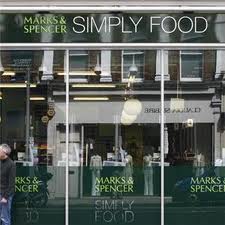
Yesterday, April 18th 2011, Marks & Spencer achieved a new great result opening the retailer’s “greenest-ever” store at Ecclesall Road in Sheffield.

The store is the first of a number of new ‘Sustainable Learning’ stores, that are part of M&S’ drive to become the world’s most sustainable major retailer by 2015.

The new 12,400 sq ft Simply Food store, built from scratch on a former brownfield site, incorporates a host of sustainable design and construction features, including an LED screen giving real-time public transport information, electric car charging points and a green living wall to attract wildlife.

All the bricks used in the build have also been reclaimed from a local mill.

Marc Bolland said:

“We’re delighted to be opening M&S’ greenest-ever store, providing customers with top quality M&S food and drink products in such a convenient location.”

The store is “firmly on course” to achieve a BREEAM rating of Excellent, making it one of the most sustainable retail outlets in the UK.

Its carbon emissions will be 23% lower and energy usage 30% lower than a traditional similarly sized store.

Innovative features include:

  • LED lighting, which is 25% more efficient than standard lighting, is used throughout the store, a first in the UK.
  • Sun pipes bring natural lighting onto the shop floor;
  • 100% of the timber used is FSC certified, a UK first;
  • All the bricks have been reclaimed from an old local mill;
  • Water costs will be reduced by up to 40%, compared with a traditional similarly sized store, by using harvested rainwater;
  • Capturing heat expelled from the store’s refrigeration units to help heat the store;
  • A living green roof of sedum plants and green living wall have created wildlife habitats, as well as insulating the store;
  • Bird boxes have been placed around the perimeter wall of the site;
  • In total, 62 different species of plants have been planted on or around the store;
  • Polished concrete floors have removed the need for floor covering;
  • 100% of the construction waste has been recycled.

All employees at the store have also been fully trained to understand its environmental features and will be encouraged to share this information with customers. (Source: The Food and Drink innovation Network)

Fashionable sustainability or sustainable fashion?

Starting from Edun fashion brand, by Ali Hewson and Bono, whose mission is to encourage trade with Africa, to H&M’s Conscious Collection and Zara’s eco-friendly stores, it seems that “sustainability and responsibility” are now a must in the fashion industry.
The latest news regarding fashion and sustainability is the PPR Group’s (home of GucciPuma,Yves Saint Laurent and Stella McCartney) Sustainability Initiative PPR HOME to Set New Standard in Luxury, Sport & Lifestyle and Retail Sectors.

By moving beyond the traditional Corporate Social Responsibility model, the group launched PPR HOME and is setting a new standard in sustainability and business practice in the Luxury, Sport & Lifestyle and Retail sectors.

My deep conviction that Sustainability creates value is part of my strategic vision for PPR. Sustainability can – and must – give rise to new, highly ambitious business models and become a lever of competitiveness for our brands. PPR HOME will provide us with novel, more sustainable approaches to contribute to a better world for the long run”, said Francois- Henri Pinault, CEO of PPR.

PPR HOME’s first announcements are setting the pace for the Group’s sustainability mission in order to reduce the social and environmental footprint for its Luxury, Sport and Lifestyle brands. These pioneering initiatives include:
-PPR HOME launches the Creative Sustainability Lab to help lead the industry and foster creativity, innovation and sustainability. Its inaugural partnership with Cradle-to-Cradle® will drive PPR HOME to challenge traditional approaches and proactively re-think and re-consider product and business development. The Cradle-to-Cradle® concept believes that ‘good design’ of products and services should move beyond typical measures of quality – cost, performance and aesthetics – to integrate and apply additional objectives addressing environmental and social concerns.
– PPR has offset its 2010 global CO2 emissions from PPR’s Luxury group, PUMA and PPR’s headquarters of 98,729 tons to achieve carbon neutrality in Scopes 1 & 2 of the Greenhouse Gas Protocol and purchased carbon credits from Wildlife Works’ leading REDD (Reduced Emissions from Deforestation and Degradation) offsetting project in Kenya that takes the needs of the local communities and the conservation of biodiversity into account. As the first step in making REDD a reality, Wildlife Works recently provided proof that REDD conforms to the accounting rigor that other carbon credit classes provide, resulting in Wildlife Works project becoming the first-ever Voluntary Carbon Standard (VCS) validated and verified REDD program.
-PPR’s premiere Sportlifestyle brand, PUMA, has applied a groundbreaking methodological approach to measuring and costing their use of ecosystems and their ecological footprint. This is the initial step to measuring the full economic impact on ecosystem services by PUMA and its supply chain and the delivery of the first-ever Environmental Profit and Loss (EP&L) account statement. PPR HOME will take a leadership role in building understanding and support for this corporate shift, encouraging others within the industry to share PUMA’s pioneering efforts towards fully-integrated reporting.

Our opinion as sustainability advocates and retail consultants is that all these strategies, well planned and communicated, must follow the companies products from production to sale. The risk is that fashion consumers do not perceive the real added value of sustainability when in-store communication lacks and when the store itself it is not sustainable. An example? Keep following us: ECOFFEE case studies to come in the next weeks!

Beverage industry and sustainability: TATA beverages

We have previously wrote about how the beverage industry is getting more and more Sustainable, with more sustainable packaging like the Coca-Cola Company PlantBottle packaging, or by taking greater attention to the supply chain, as PepsiCo is doing with its recent committment to purchase only 100% Mexico sustainably grown sunflower crops.

 
Today, we will take a quick insight in what TATA Global Beverages is doing regarding sustainability. But first, a couple of information about the Company: TATA Global Beverages is part of the TATA Group, it currently employs 3,000 people around the world and it reported a 28% profit increase on Q3 2010, with profits being Rs 471.5 million (more than 74 million Euros).
 
If you take a look at Tata beverages website, it is clear that TATA Global Beverages is deeply involved in sustainability: from its mission “to make the world a better place through ‘life enhancing sustainable hydration’ to its long term goals and its collaborating with the Rainforest Alliance.
In a recent interview with The Guardian, TATA Global Beverages Director of Sustainibility Sara Howe, talked about the challenge to balance sustainability with the Company’s present short-term financial and commercial pressures.
She stated to be optimistic about the number of big companies who are now seriously and credibly engaging with the sustainability agenda, setting ambitious sustainability targets and demonstrating progress towards achieving them.
 ” As more companies come to understand the risks and opportunities that issues like climate change, water stress, population growth, health and wealth disparity, represent, then the necessary capacity and capability building will follow” Howe states.
But what is the role of consumers in the process towards a more sustainable business? Howe’s reply: “In a consumer-focused business like ours a particular challenge is getting permission from consumers to act for the future. Traditional research and insight methodologies tend to drive responses based on their current experience and understanding. We need to find a way of showing consumers what the future might look like from a sustainability point of view. Then they can then help us design products and services fit for that future” yet adding that her main concern about the ability to create a more sustainable world is that “That too many people won’t get it until it’s too late“.

Italian consumers love sustainable products but need better product information.

One of the findings of the “For a Sustainable Supply Chain: business and consumers point of view” survey conducted by the GfK Eurisko and promoted by the Sodalitas Foundation,  the product/service sustainability is ranked fourth among the criterias used by consumers when choosing, but if better communicated, will become an increasingly important requirement. During the investigation 500 consumers and 183 businesses were interviewed . To more than a third of the companies, sustainability is very important. However, only a minority (29%) in the interviewed sample declares to be thoroughly familiar with this concept, while a substantial percentage (45%) say they have “enough information”, confirming the gradual integration of this concept in the corporate culture .
The majority of consumers (63%) had heard of sustainability, even if only 19% of them (mostly young and with a high level of education) believe to know well its meaning, with a prevalence of the environmental (83% ) on the social aspects (64%).

The responsibility for a “sustainable development” is primarily attributed to the central Government (86%) and to local governments (82%), but a very high percentage of respondents (over 70%)  thinks businesses and citizens responsible to ensure the sustainability of the development. The opinions about the companies’ commitment to sustainability is different: one third of the sample (35%) expressed a positive opinion, a  third is critical and another third has no a definite opinion about it.

Only a third of consumers (32%) had heard of “sustainability of the supply chain” (a percentage that is growing in those aged more mature and – especially – among those with a higher education degree). But after the concept was briefly explained a large majority (76%) said to believe that companies must ensure the sustainability of their supply chain. Today, already one quarter of Italian consumers are chosing which products to buy also using supply chain sustainability criterias. Three quarters of consumers also agreed to pay more for a product which is guaranteed in terms of its sustainability. The focus is on all product categories but in particular on food (71%) and detergents (65%). And, at least in theory, the majority of consumers (76%) would be willing to pay more for a guaranteed product in terms of sustainability (though – the majority said to be ready to pay only “little” or “very little” more). (Source: GfK Eurisko, Image credits: Transocean)

EuroShop: green is “hot”

Back from the EuroShop, with lots of a ideas and a big certainty: green is “hot”. From Green IT to green supermarkets and green products: retail is now aware of the trend toward sustainable economic management. Obviously, the market is still immature and retailers have lot to learn about what can be really sustainable in the long term – and this is where professional services like the ones we offer can be of a great help.

As stated on the EuroShop website, earlier this year, German Federal Minister of Economics Rainer Brüderle visited the “Klimamarkt” (“climate market”) by Tengelmann, across from the Tengelmann headquarters in Mülheim an der Ruhr. The politician of the FDP party said: “We need pilot projects like this to gather experience on how climate protection and economic efficiency can be reconciled.” Tengelmann deems the “Klimamarkt”, which already opened in December of 2008, to be “Germany‘s first CO2-free supermarket.”

The project admittedly does not stand up to an intense cost effectiveness analysis. “Demolition and new construction would have been cheaper”, Tengelmann spokesperson Jutta Meister admits on inquiry. And this is issue n.1 to take into account: the economics of retail sustainability.

“Particular attention also always needs to be paid to the economical aspect of sustainability”, says Tobias Walter of tegut. “We build beautiful marketplaces for our customers, which thanks to our consolidated know-how generally are not more expensive than the otherwise widely common ‘shoe box buildings’”. Kai Falk, Managing Director of Communication and Sustainability at the German Retail Federation HDE also believes: investments in sustainability in retail have a chance on a larger scale only if they also pay off financially.

And this pay off can be energy savings. In food retail, according to the EHI more than 55 Euros per square meter of sales floor are incurred for energy, in which cooling at 44 percent accounts for the largest electricity consumption. In non-food retail on average 31 Euros per square meter need to be spent. Here the largest portion at 65 percent is caused by lighting expenses.

The EHI notices a large willingness in retail to invest in energy savings practices. 80 percent of polled retailers are said to be willing to invest in energy-saving cooling systems and equipment. This high readiness can be explained by savings expectations of up to 20 percent. Aside from investments in new cooling devices, the choice of cooling agent is also getting more and more important, especially since the old R22-systems have to be converted. Cooling with CO2 was one of the big trade fair topics at the EuroShop 2011.

Many commercial enterprises work on new projects and initiatives about a more sustainable retail. Hardly anybody believes they can afford to not be a part of green topics. The discerning public will intently look at what’s show and what is true concern. But ultimately it is the consumers themselves that have to start rethinking, because they choose where they shop. They choose what they would like to stay away from.