Category Archives: trends and forecasts

2012 top trends to dominate Middle East hotel sector

Ten leading hoteliers present the top 10 industry trends expected to dominate the Middle East hotel sector in 2012
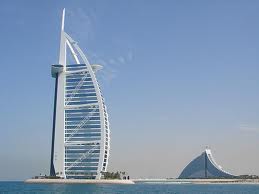
1. M-commerce
“Rapid advancements in travel technology are on the cards, especially mobile bookings which has opened a whole new world. According to industry sources 18% of mobile users are expected to make bookings using their smart devices.”Michel Noblet, President & CEO, HMH – Hospitality Management Holdings

2. Influence of consumer ratings
“Websites such as Trip Advisor will continue to push hotels to become better attuned to customer’s needs. It is no longer about what we say about ourselves in a brochure that maters, it is what our reviewers say. We need to listen to our guests and even though not every review can be positive, hotels need to acknowledge issues and work to fix them.”Ali Hamad Lakhraim Alzaabi, President and CEO of Millennium & Copthorne, Middle East and Africa.

3. Digital booking
“Online booking will be another top trend. Our hotels will heavily switch to the online channel. Potential and existing clients are becoming tech-savvy experts. They know what they want, and are far more sophisticated in what they are looking for, easily accessing information about our hotels through digital tools. Thus, our key priority area is to be on top of the latest online tools and aggressively develop our digital services and presence: from mobile apps to E-Marketing, to our loyalty program, Le Club Accorhotels.”Christophe Landais, managing director, Accor Middle East

4. Growth of the mid-market

We think it will be a bit of a return to 2009 in 2012. In light of the economic instability in Europe I think added value packages will once again become very attractive. This instability will help grow another trend, mid-market hotels. I predict this will continue to grow in the region throughout 2012, especially the clearly defined brands within the mid-market segment.Marko Hytonen, Area Vice President, The Rezidor Hotel Group

5. Emergence of new brands

“I believe we will see the introduction and growth of brands that are new to the region, brands such as Hotel Indigo. We are yet to bring Hotel Indigo to this part of the world, but following the success of the brand elsewhere we expect to announce our first property early next year. The growth of our Staybridge Suites brand will also continue and this helps us cater for the needs of the long stay guest.”John Bamsey, Chief Operating Officer, India, Middle East & Africa, InterContinental Hotels Group

6. Spa and wellness

“Spas are becoming important to both the leisure and business traveler. Nowadays, they are a necessity rather than a luxury, just as a health and fitness club is today, as more and more people seem to be looking seriously at their personal health and well being. Rotana has introduced spa facilities to many of its properties following extensive research into the desires and needs of guests. The direction we are going is to include a Spa in each of our 5 star Resorts & Hotels.”Selim El Zyr, president and CEO, Rotana Hotels

7. Talent and training

“The battle for talent is a real one compounded by the complexities of the need to engage countries very real needs to immerse their own workforce in our industry” Jeff Strachan, vice president – sales and marketing, MEA, Marriott

8. Rise of the BRIC (Brazil, Russia, India, China) travellers 
“These emerging economies are slowly but surely making their mark as strong source markets as well as development markets. Hilton has recognised this and, with particular regard to China, launched an initiative in 2011 called Hilton Huanying — a tailored experience for all travellers of Chinese origin. Inspired by the Chinese word for ‘welcome’, the programme enables visitors to book Hilton hotels with confidence knowing the properties will meet their cultural needs and expectations. These include, front desk team member fluent in Chinese, tea kettles, dedicated Chinese broadcasting channel on TV, welcome letter in Chinese and chinese tea available in the bedrooms. We also provide special Chinese dishes at breakfast. Over 50 hotels in the Hilton Hotels & Resorts portfolio have signed up to the programme.”Rudi Jagersbacher, President, Hilton Worldwide, Middle East & Africa

9. Bargain hunters
“One of the most important trends is the very short lead of advance booking. This can be attributed to the availability of airline capacity to specific destinations which in turn relaxes customers urgency for advanced booking and allows guests the opportunity to search for last minute bargains. Guests are looking for added-value. In terms of preferences and behaviour patterns, travellers are still taking vacations and travelling widely but they demand extra value for money more than before. They are still looking for quality of service and personalized experiences but added value is a key factor while selecting their accommodations.”Gerard Hotelier, Vice President Operations- Middle East, Mövenpick Hotels & Resorts

10. Social media
“Social media creates opportunities never envisioned before. It influences how you are positioned on google, your reputation can be damaged or enhanced within a blink of an eye, social commerce is coming, and all this is going mobile. It is a revolution for the hotel industry, and it is just the beginning. Said that, as a company you have to wonder how to invest and how much. The ROI is still not clear, and there is a RISK on spending too much.” Sami Nasser, SVP, Sofitel Middle East and Indian Ocean 

Via http://www.hoteliermiddleeast.com

Healthy meals for more active students thanks to an Abu Dhabi cafe’s initiavite

Alexander Clavel, managing director and founder of the Federal Restaurant Corporation which runs Mirabel cafe in Abu Dhabi has undertaken the task of creating healthy lunch options for kids.

It is a subject that’s close to Clavel’s heart, so when he was approached by Aldar Academies Al Muna school to create convenient, nutritious meals in a box, he jumped at the chance.

“I think children in the UAE are generally unhealthy, and as an expectant father, I’m very much worried about this,” he said. “Obesity among children across the UAE is on the rise – as it is in the USA and Europe – due to changing dietary habits and limited physical activity. All this can be changed, much of it reversed, with good, healthy eating.

“This, combined with limited physical activity leads to a whole host of problems including diabetes, allergy development, erratic energy levels and mood swings.

“In the UAE you can literally find anything to eat and anything to do so there are no excuses for being lazy! Yet many pay more at the pump for Premium petrol for their cars but less for the quality of their food for their children. That logic can only change with education.”

via Abu Dhabi cafe creates healthy meals for schools | HotelierMiddleEast.com.

Start Today: UK brands join forces supporting sustainability

At the beginning of November, each UK based brand participating to the Start Today sustainability initiative has begun rolling out marketing campaigns, carrying the Start Today branding, urging consumers to take ‘one simple step’ toward being more environmentally friendly.

Start Today, which was conceived by integrated agency Meteorite, is led by Start, an initiative to encourage sustainable living, overseen by HRH the Prince of Wales, Business in the Community and The Marketing Society.

Insurer More Th>n, which has signed up to the project, is running activity focusing on ‘greener gardening’.

Through a partnership with broadcaster Classic FM, it is using Blue Peter gardener Chris Collins in a direct, social-media and digital campaign based on offering consumers tips that can make gardening more sustainable.

‘We wanted to do something that was simple and tangible,’ said Pete Markey, chief marketing officer at RSA, which owns More Th>n. He insisted that there was a ‘clear relevance’ to the drive because the insurer has policies covering garden and house plants.

‘This is a real chance to make a statement about how progressive and forward-thinking we are,’ added Markey.

Meanwhile, DIY retailer B&Q is running an in-store and digital promotion aimed at encouraging consumers to switch off household electrical items, and to buy products that can help reduce utility use.

Ian Cheshire, chief executive of B&Q-owner Kingfisher, said: ‘The days of paying a massive premium for sustainability are probably gone. Consumers are interested in helping to save the planet but (want to) save money as well.’

When the plan for the day of action – originally dubbed One Day, 1/11/11 – was revealed earlier this year, the stated aim was for every piece of marketing communications running on 1 November in the UK to include a green message. However, just 10 companies signed up to the scheme.

Cheshire defended the take-up, stating: ‘It’s a great selection of brands. This is only year one; it came around a bit too quickly for many brands to build it into their marketing plans.’

START TODAY CAMPAIGN THEMES

via Major brands join forces in Start Today sustainability initiative – Brand Republic News.

Using Social Networks to Improve Operations

For decades the mystery shopper was the main way retailers assessed operations from a customer’s point of view. By sending in a fake shopper, typically once a month, an individual store essentially was buying a dozen performance snapshots per year.

Then telephone surveys began to supplement mystery shopping. Today, digital technologies are supplanting both, with online customer surveys providing an exponentially greater number of performance snapshots per day.

A well-managed loop that links customer experience feedback with recommendations on social networks like Facebook, Twitter, and Yelp, can boost service quality and operational performance, increase traffic and create more happy customers — people who crow about a retailer online for free, turning their friends into new customers too.

A new mini-industry has emerged using these techniques, known as “customer experience management,” or CEM. Our company, Empathica — as well as a number of competitors — are providing customer feedback to operations, while partnering with “web-scraping” companies to listen to random chatter online.

Now we’re turning attention to linking operations to marketing through “social CEM.” The aim is not to drive online advertising impressions, but to explicitly and transparently drive the behavior of customers, front line service staff and retail managers. The aim is to create a true dialogue, not simply a listening post for customer kudos and complaints. And by doing so, this loop can drive meaningful operations and customer satisfaction gains.

An example: At Debenhams, a major international department store chain based in London, a customer complained through an online survey about a poor meal they received at the store’s restaurant. “Ordered turkey dinner. Very dried out. Overcooked vegetables in greasy, cold gravy.” The store manager called the customer that night, apologized, and sent a coupon for two free meals. The customer was invited to post their happiness with the problem’s resolution on Facebook, and did. The store manager made sure the kitchen turned out better turkey dinners. The result: a satisfied customer, better kitchen operations, and free social network advertising. Debenham’s effectively took what would have been a one-off customer experience problem and turned that customer into an Debenham’s advocate online and improved its operations to reduce the possibility of future disgruntled customers.

A social network feedback loop starts with information gleaned from customer surveys conducted online. Those survey-takers are then linked directly to social networks like Facebook through a link on the survey.

So how many customers will actually bother to move from surveys to socializing their experience? We have some data that suggests a healthy amount. We conducted 25 million surveys last year; more than 80 percent of respondents said they’d recommend the brand they were being quizzed about. We’ve then seen 10 to 20 percent of customers follow through with social network postings after the survey.

Some recommendations for retailers considering tying together their feedback, social, and operations loops: Customers need some nudging: incentives like coupons do the job. At 100 Boston Market restaurants, customer advocates got $3 coupons for a recommendation. In a three-month period, Boston Market received 100,000 Facebook newsfeed recommendations; advocates redeemed more than 4,000 coupons.

Finding customer advocates isn’t the only goal. Unhappy customers need to be channeled through a “customer rescue” process to help solve problems and mend relationships, and provide feedback on problems for operations to solve.

At Citibank branches in New York City, for example, every customer who completes a survey receives a call back from their bank manager within one to two days. The manager uses survey feedback and software intelligence to determine whether complaints need resolution or whether the manager should provide a simple “thank you” to reinforce the local branch’s commitment to customer service — like old fashioned retail and small local banks or credit unions still do.

The advocate process is proving far more powerful than regular social network advertising. The key is authenticity: we listen to our friends and colleagues for advice and recommendations. So while retailers and restaurant owners can buy social media advertising, the real place to drive growth is on the consumer newsfeeds. Not only are those kinds of clickthroughs more numerous. They are also more powerful. Beyond simple word of mouth advertising, poor-performing outlets get suggestions for improvement, which they use to guide better operational performance.

via Using Social Networks to Improve Operations – Gary Edwards and Mike Amos – Harvard Business Review.

Exclusive from the Abu Dhabi Tourist Green World Forum: where sustainability matters

Posting directly from Abu Dhabi, where I have been invited  by our worldwide ambassador, the Green Sheikh, and our supporter Goumbook, in the person of Mrs. Tatiana Antonelli Abella, to attend to the World Green Tourism event, supporting them during the opening day which took place last Monday, Dec. 5th.

The Green Sheikh and HE Razan Khalifa Al Mubarak at WGT 2011

The morning conference was opened by the introduction of  HE Razan Khalifa Al Mubarak, Secretary General Environment Agency – Abu Dhabi (EAD) who actively supports responsibility and sustainability actions in Abu Dhabi and UAE respectful of the local environment and wildlife.

Immediately after our worldwide Ambassador HH Abdul Aziz bin Ali Al Nuaimi, aka the Green Sheikh, captured the audience with an engaging presentation, merging his life philosophy and his belief together with his support for the environment and with his many travel experiences and encounters with people of all races, cultures and social classes. From Antarctica to Brazil, Iceland and Australia via amusing anecdotes, the Green Sheikh skillfully showed the audience that we are all equal, no matter if men or women, adults or children, Christians or  Muslims or Jews or following other religions, rich or poor.

The presentation was accompanied by amazing images and he used the cardinal points as a guide for his presentation -N, E, S and W- each one having its own enhanced meaning: N as Nature, S as Social, E as Empowerment, and W as World. Because travellers too can make a better world, through a more aware, green and responsible tourism

To my great surprise – and I want to publicly thank the Green Sheikh for this- the Green Sheikh introduced the ECOFFEE platform to the audience, presenting it as a great opportunity for young entrepreneurs.

ECOFFEE as a “Sustainable entrepreneurship platform” was in fact coined together with the Green Sheikh during our first meeting some of months ago, while talking about  ECOFFEE’ services and projects, like the Franchising coffee shop, especially designed for those entrepreneurs who want to run a profitable, responsible and ethical business.

What I am witnessing here at the WGT event is the growing importance of the environment, sustainability and responsibility issues which are now actually transferred into daily business practices even in the Tourism industry – I am glad and proud to be among those who are actively supporting it each and every day with DESITA and ECOFFEE’s business practices.

World Green Tourism leaders meet in Abu Dhabi

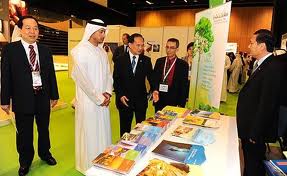
Presented by Abu Dhabi Tourism Authority, World Green Tourism Abu Dhabi (Dec. 5-7) is a global event to provide the much needed platform dedicated to sustainable tourism.World_Green_Tourism

Held over three days, the event is the largest ever gathering of government officials, regional and international tourism authorities, environmental agencies, industry leaders, urban city planners, architects, developers, institutional investors and financiers, airlines and tour operators, green product suppliers, universities and academics to examine this issue.

The event aims to support and further enhance sustainable tourism globally and in the region by creating opportunities where industry leaders can meet and discuss immediate challenges and effectively formulate solutions to pressing environmental issues.

The WGT is a three-day conference with heavyweight keynote speeches and interactive panel debates, workshops and an exhibition that will showcase sustainable products, services and technologies relating to the travel and tourism industry. With visitors including hotel GMs, responsible travel agents and environmental consultants the exhibition is the ideal place to showcase your solutions. In addition the exhibition will feature existing and planned developments, hotels and projects that are taking a sustainable approach.

The dense conference program will start on Dec. 5th. Introduced by a speech by ECOFFEE’s Worlwide Ambassador, H.H Sheikh Abdul Aziz Al Nuaimi (the Green Sheikh), the conference will follow dealing with Industry related themes: How can large scale tourism ever be made sustainable? ,“Empowering consumers to make a responsible choice: What steps should the travel industry take?” , “Whose responsibility is it to green the tourism industry?” ending with “Green branding and marketing: Making sure your values are consistent with your message” panel.

In the next two days, the conference will deal with other important topics, such as Water conservation and energy use and regenerating and developing destinations
using sustainable principles. It will be also possible to book site visits that will take place to sustainable tourism projects in and around the city of Abu Dhabi. Delegates will be accompanied by representatives of the ADTA and EAD as well as the consultants who work with them.

We will attend the event to support the Green Sheikh and to bring back news and ECOFFEE’s new interesting prospects and projects. Please do not hesitate to contact norman|at|ecoffee|dot|it to plan a meeting at the upcoming WGT.

New Report Details Growth of Sustainable Hospital Food Service Programs

Health care food service programs are rapidly becoming more sustainable, following a conscious decision to provide fresher, more sustainable foods to benefit patients and the planet.

A detailed accounting of these advances can be found in the 2011 Menu of Change report, published by the Health Care Without Harm (HCWH) Healthy Food in Health Care (HFHC) program. This report is the second in a series of reports tracking progress in this area and contains the results of a survey of U.S. hospitals and long-term care facilities that work with HCWH on implementation of sustainable food service practices.

“Many health care facilities are taking extraordinary and creative measures to make their food services more sustainable while providing fresh, nutritious food choices to patients, staff and visitors,” said Emma Sirois, MS, Oregon HCWH Program Director and co-author of the new report. “The 2011 Menu of Change shows that many hospital food service programs are quite far along on their sustainability journey and those that are not as far along are advancing rapidly.”

The survey was conducted in June 2011 and was designed to gather data on advances made in 2010. Eighty-nine facilities completed the survey including many that have signed the HCWH Healthy Food in Health Care Pledge, a commitment to work in a stepwise fashion to source more local and sustainably produced food among other activities. Facilities ranged in size from 11 to 1200 beds with an average size of 300. They served an average of 731 patient meals and 1650 cafeteria meals per day in 2010 and spent approximately $291 million total on food and beverages.

2011 Menu of Change Survey Highlights

Nutrition
Most respondents have taken one or more of the following steps to increase their offerings of fruits and vegetables and nutritionally dense and minimally processed, unrefined foods and to reduce unhealthy (trans and saturated) fats and sweetened foods.

Approximately 97 percent adapted menus to include non-starch vegetable options for lunch and dinner and provide a minimum of one protein-balanced vegetarian menu option during each meal:

  • 87.5 percent have completely eliminated trans-fats (partially hydrogenated/fully hydrogenated) and created a heart-healthy oils purchasing policy
  • 80.5 percent create soup from scratch
  • 74.7 percent serve fresh local produce when available

Sustainable food procurement
Many facilities are choosing to purchase and serve more locally sourced and sustainably produced food and beverages–

  • 94.1 percent purchased and served local food or beverages
  • 80 percent purchased sustainable dairy products
  • 45 percent purchased sustainable beef
  • 36 percent purchased sustainable chicken

Build direct relationships with local farms

  • 81.8 percent of respondents host a farmers’ market, farm stand or community-supported agriculture (CSA program on-site)
  • 60 percent purchased directly from a farm, ranch or farm cooperative

Waste Reduction

  • 66.2 percent of respondents used bio-based non-reusable food service ware and takeout containers
  • 50 percent use a room service model for patient food delivery
  • 39.5 percent had a program in place to compost organic materials (food waste and compostable paper and plastic food ware items)
  • 37.7 percent had a usable food donation program in place

“This Menu of Change report is an excellent introduction for anyone seeking to begin a sustainable foods program at their hospital,” said Marie Kulick, MSEL, HFHC Sustainable Procurement advisor and report co-author. “In addition to the survey data which can be used to set goals, the report includes lively, informative anecdotes from peers, cost cutting strategies, profiles of leading institutions and more.”

The 2011 Menu of Change report also summarizes major HFHC activities taking place in nine states; and describes the HFHC initiatives, including Balanced Menus, Non-Therapeutic Use of Antibiotics Prevention, the HFHC Pledge, the Green Guide for Health Care Food Service Toolkit, and recent efforts to reduce or eliminate Sugar-Sweetened Beverages, among other initiatives promoted by the HCWH. It also contains a listing of contacts for hospital and food service directors or activists to reach out to HFHC program staff for assistance.

“Hospitals are increasingly being seen as anchor institutions that are needed to support healthier communities and a healthier local economy,” stated Gary Cohen, President of HCWH. “If we are to solve the epidemic and escalating costs of obesity in American society, hospitals need to be critical partners in redesigning sustainable food systems and modeling the kind of food choices that the rest of us need to adopt. The Healthy Food Program is creating these models and pointing the way toward this systemic transformation.”

The 2011 Menu of Change report was co-written by Sirois, Kulick and Alyssa Nathanson, M.D., RD, HFHC Vermont coordinator. Results of the survey were used to determine the HCWH HFHC awards given at the organization’s 2011 FoodMed. And award winners are profiled in the report.

The HFHC Program is a national initiative of HCWH, developed in conjunction with its member organizations, which mobilizes advocates to work with hospitals across the country to help improve the sustainability of their food services. For more information about the HCWH Healthy Food in Health Care Program, visit www.healthyfoodinhealthcare.org .

Health Care Without Harm is an international coalition of more than 508 organizations in 53 countries, working to transform the health care industry worldwide, without compromising patient safety or care, so that it is ecologically sustainable and no longer a source of harm to public health and the environment. For more information about HCWH, visit www.noharm.org .

SOURCE Health Care Without Harm

How fast is the Chinese market changing?

According to a recent McKinsey’s survey about Chinese consumers, Chinese have taken to consumerism with ease, embracing thousands of new products, services, and brands. Three findings stood out.

Even in the face of rising inflation, Chinese consumers are more confident this year than in 2010 about their financial prospects.

the survey shows that the number of respondents who choose to spend more—buying in greater quantities, more frequently, or more expensive items in a given category—is holding firm. Whereas last year’s survey showed that consumers offset higher spending in some categories by spending less in others, this year there appears to be much less rebalancing.

Among urban consumers, the number of first-time buyers—a group that has been a major driver of category growth in China—is declining. as so many products are now both available and within the financial reach of large numbers of consumers. Big variations in the importance of first-time buyers have opened up, depending on the category and geographic region. At the geographic level, the penetration of certain goods may be high in China’s more economically developed regions, but plenty of consumer-conversion opportunities remain in less developed ones, which the government has targeted for higher economic growth


Finally, although brand awareness is rising, we see little sign that brand loyalty is following suit. In fact, more and more consumers choose among a growing number of favorite brands. The survey shows the extent to which consumers value brands more than price or channel, largely because they believe that branded products are safer, of higher quality, and more reliable than nonbranded ones. But faith in brands still does not translate into brand loyalty. In fact, both the number of consumers who always choose from among a relatively small set of brands—whom we refer to as “repertoire loyalists”—and the number of brands in their repertoire continue to rise. The average Chinese consumer now chooses among three to five brands in any given category, compared with two to three brands two years ago. In some categories, such as apparel, where luxury brands have grown hugely popular, the contrast is sharper still.

To succeed in this environment, executives will need to understand where the growth prospects lie, both at the category level and in different geographic regions. Only then will companies be able to prioritize resources and tailor strategies appropriately, to strike a balance between building mass appeal and meeting the needs of specific consumer groups, to focus on perceived value rather than absolute price, to modernize marketing tools for the Internet age, and to embrace rapidly growing online sales channels quickly. Companies must have both the flexibility to adapt and the skills to innovate to keep in step with the Chinese market’s exciting development.

Are pop-up stores a way for fighting retail recession?

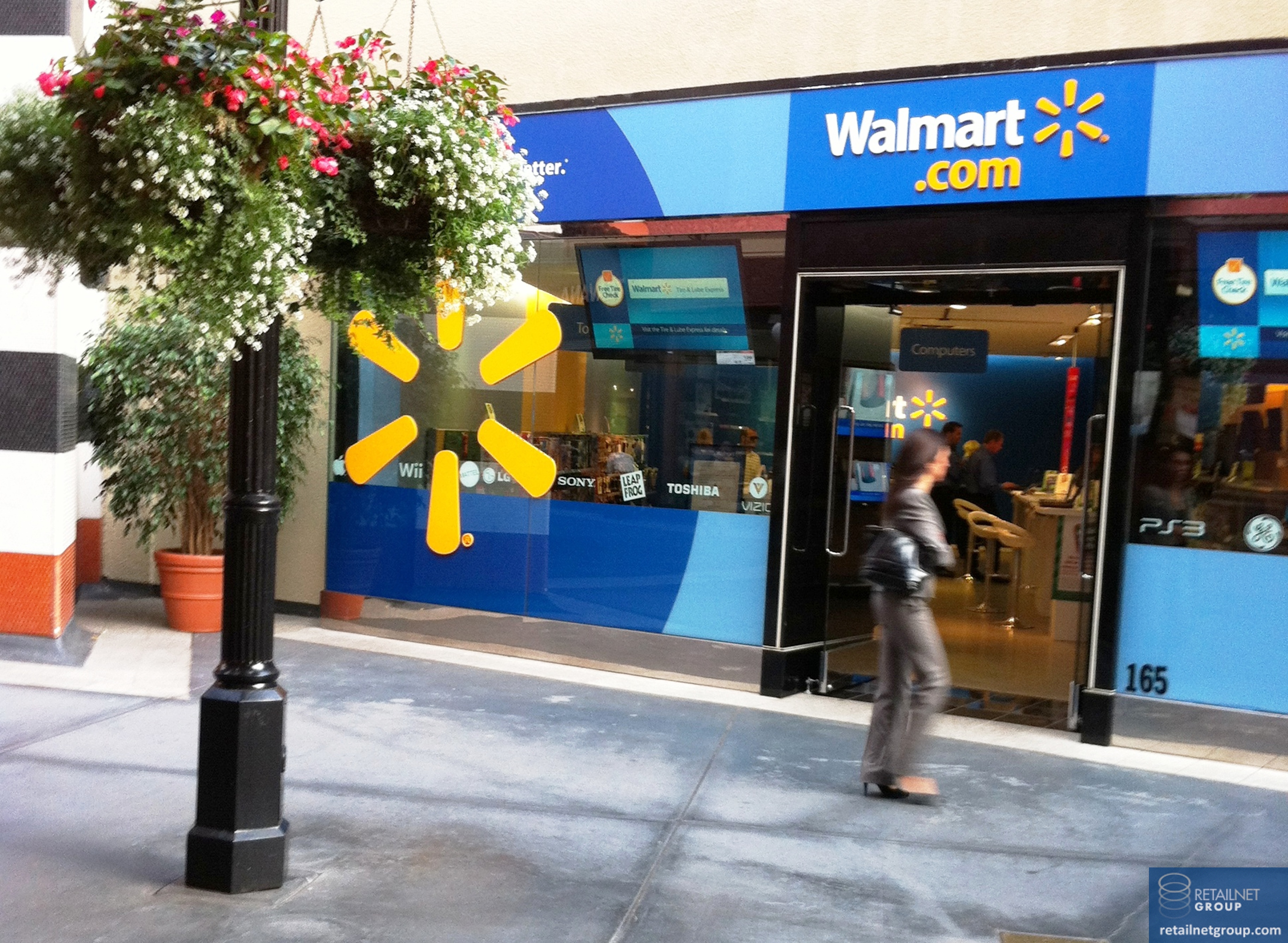
We have already talked about pop-up stores a while ago, but a recent news about Walmart opening pop-up stores hit our attention not because of their being “pop-up”, but because the American giant decided to create small pop-up stores to face the upcoming holiday demand, driving it from a physical location (the pop-up store) to Walmart.com. While Walmart customers will be able to purchase high margin gift solutions directly from the store, they can also pick up items ordered from the retail giant’s website and pick them up in the store with no delivery charge under the Site-to-Store and Pick-Up Today programs.

The stores, located in Souther California,  which bear signs reading Walmart.com, opened November 2 and are expected to remain open through December 31. Unlike its recently launched Walmart Express or its Neighborhood Market small-format stores, this new concept does not feature food or other convenience products.

“This is just a small test we’re conducting during the holiday season to offer local customers easier, more convenient access to quality products at everyday low prices,” Wal-Mart spokesperson Lorenzo Lopez toldCSP Daily News. “These small stores, located in the Topanga Mall in West Los Angeles and Horton Plaza in San Diego, will offer customers access to more than one million general merchandise items currently available through Walmart.com.”

He added, “The store will display key holiday items such as toys, electronics, gaming and home theater. These items can be picked up at the Walmart.com store or nearest Walmart store via the Site to Store and Pick Up Today options. Products can also be delivered to customers’ homes via the standard shipping options currently available through Walmart.com. Customers will also have an opportunity to purchase a small selection of items at the store, mostly accessories.”

Lopez said, “We’re always looking for ways to better serve our customers, so it’s not uncommon for us to test different formats to learn how customers respond to products and services. These stores are just another way to give customers a continuous experience by bringing together our stores, our brand and our footprint through eCommerce.”

A growing number of shoppers are in fact using technology to research and purchase gifts. These test stores are an interesting way to let shoppers research and buy online with the option to “get it now.” The highly targeted assortment and short-term leases are a low-risk way for Walmart to reach new shoppers and capture shopping occasions it may not otherwise have access to. Maybe most importantly, the pop-up stores could drive shoppers that don’t currently shop at Walmart (or Walmart.com) to the retailer’s website.

Will Sustainability be mainstream by 2020? New Report says yes.

Household brands and retailers will play a key role in supporting sustainable lifestyles, helping them become mainstream by 2020, according to a new study.

Sainsbury’s and Unilever launched the Consumer Futures 2020 research in partnership with Forum for the Future, in order to gain insight into how sustainable products and services will impact on global trends and consumer behaviour over the next decade.

As part of the 18-month study, designed as a practical tool to help retailers, brands and manufacturers plan for the future, four fictional scenarios that consider how sustainable consumption could become mainstream were explored, with the aim of ascertaining whether social and environmental pressures drive sustainable goods into the mainstream, or whether consumers actively demand them.

It found that global challenges such as climate change, scarcity of key resources, rapid population growth were likely to affect consumer attitudes and the consumer goods industry. As a result, sustainable practices will become more mainstream as key resources become more highly valued, while and recycling and re-use would increase, the study concluded.

A weak global economy is unlikely to hamper the progression of sustainability, according to Forum for the Future’s chief executive Dr Sally Uren, who said that “smart brands and businesses will make money today by accelerating the transition to a sustainable future”.

Meanwhile, Dr Uren added that the industry must make it easier for consumers to go green by “offering products and services which are not just better for the environment, but healthier, cheaper and longer-lasting.”

However, the study warned that consumer brands will need to innovate to develop sustainable products, services and business models to overcome financial challenges, while also working with consumers to make them a success.

Sainsbury’s and Unilever said they plan to use the results as a platform for collaboration and innovation to develop jointly profitable and sustainable initiatives to help meet commitments in Unilever’s Sustainable Living Plan and Sainsbury’s five corporate responsibility values.

Sainsbury’s chief executive, Justin King, said: “Sustainability will continue to rise higher up the agenda over the coming years, so it is key that brands work to ensure they can respond to consumer demand. Being a sustainable company is not about box ticking, it’s about future-proofing your business and building trust and brand loyalty that will last for years to come.”

The Consumer Futures 2020 toolkit and accompanying resources are available to download free here.

via Will Sustainability be mainstream by 2020? New Report says yes. | Caelus Green Room.